Clothes and upholstery made of cotton vs polyester are not new to us because both are extremely popular fabrics. In the world of textiles, this is the ultimate rivalry: the natural comfort of the earth versus the high-tech durability of the laboratory. So what is the difference, and which is better is a very common question. Let’s explore the answer with Dugarco through the comprehensive article below!
>>>> EXPLORE: Clothing manufacturing process – A Step-By-Step Guide
1. What is cotton? The “Gold Standard” of Natural Fibers
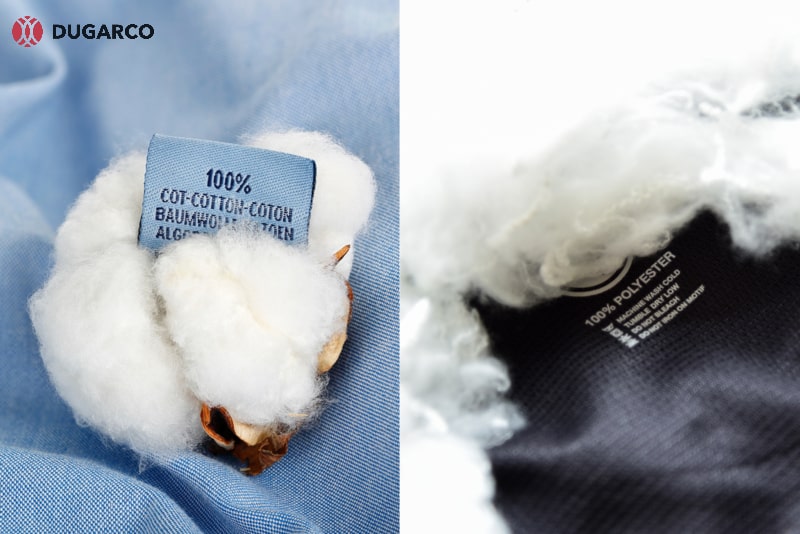
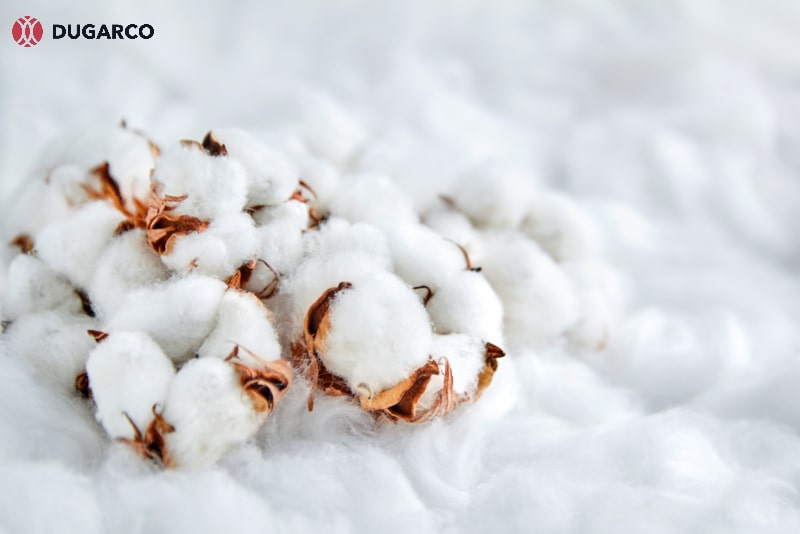
Before learning the difference between cotton vs polyester, let’s see what cotton is. Cotton is a hypoallergenic, natural fiber that is renowned for its breathability and soft touch. It has been the backbone of the global textile manufacturing industry for millennia, dating back to ancient civilizations in the Indus Valley and Mexico.
Cotton is a product derived from the Gossypium plant. The fluffy cotton fibers (known as lint) that come from the plant’s seed pods, or “bolls,” are harvested and then spun into yarn. This yarn is then woven or knitted into the fabrics we use daily. The application of cotton is incredibly diverse—from the crisp sheets in a luxury hotel to the rugged denim of your favorite jeans.
1.1. Key Advantages of Cotton
- High Absorbency: Cotton can hold up to 27 times its own weight in water, making it excellent for towels and summer wear.
- Skin-Friendly: Being hypoallergenic, it is the safest choice for babies and people with sensitive skin or eczema.
- Odor Control: Unlike synthetics, cotton releases odors more easily during washing and doesn’t trap bacteria as readily.
- Breathability: Its molecular structure allows air to flow through the fibers, keeping the body cool.

1.2. The Trade-offs of Natural Fabric
While it is the “Soft Hug” of the fabric world, cotton has its weaknesses:
- Shrinkage: Natural fibers are prone to “relaxing” when exposed to heat, which can lead to your favorite shirt becoming a size too small.
- Slow Drying: Because it absorbs so much water, it takes much longer to dry than synthetic alternatives.
- Wrinkle Prone: Cotton lacks the “memory” of plastic-based fibers, meaning it creases easily and often requires ironing.
>>>> CLICK NOW: Organic cotton vs regular cotton | Differences and which is better?
2. What is polyester? The High-Performance Synthetic
In the late 1920s, W.H. Carothers, a chemist at DuPont, pioneered the development of synthetic fibers. By blending alcohol with carboxyl acids, Carothers laid the groundwork for these groundbreaking materials. This research paved the way for the invention and patenting of polyester fiber in 1941. Today, polyester is the most widely used fiber in the world, surpassing cotton in total production volume.
Polyester is a synthetic polymer, technically known as polyethylene terephthalate (PET). It is essentially a type of plastic. Most polyester is created from petroleum-based chemicals through a process called melt spinning. The molten plastic is forced through a spinneret (a device like a showerhead), creating long, continuous filaments that can be used as thread.

2.1. Why Industry Loves Polyester
- Extreme Durability: It resists abrasion and stretching, making it perfect for workwear and outdoor gear.
- Moisture-Wicking: Since it doesn’t absorb water, it moves sweat away from the body to the surface of the fabric where it evaporates.
- Low Maintenance: It is naturally wrinkle-resistant and dries in a fraction of the time compared to cotton.
- Cost-Effective: Being a byproduct of the oil industry, it is generally much cheaper to mass-produce than agricultural crops.
2.2. The Synthetic Drawbacks
- Environmental Impact: It is not biodegradable and sheds microplastics into the ocean every time it is washed.
- Static Electricity: Polyester is prone to static cling.
- Temperature Sensitivity: It can melt if ironed at high temperatures.
3. Similarities of cotton vs polyester
Despite their polar opposite origins, cotton vs polyester share several traits that make them the “Big Two” of the textile world:
- Universal Availability: You can find both fabrics in every corner of the globe.
- Versatility: Both can be engineered into heavy canvases or light, airy t-shirts.
- Dyeing Capabilities: While the processes differ (polyester requires disperse dyes), both can achieve vibrant colors across the entire spectrum.
- Ease of Washing: Both are generally machine-washable and resilient to standard detergents.
>>>> CLICK HERE: Is biodegradable clothing sustainable? Classification, pros, cons
4. Detailed Analysis: Basic differences between cotton vs polyester
To help you make the best choice for your next purchase or production run, let’s break down the cotton vs polyester thread debate across 13 critical categories.
4.1. Softness and Hand-feel
Cotton is the natural winner here. Its fibers have a natural “loft” and texture that feel comfortable against the skin from the first wear. Polyester, being essentially plastic filaments, can sometimes feel “slick” or “scratchy,” especially in low-quality variants. However, modern high-tech polyester microfibers can now mimic the feel of silk or even soft suede.
4.2. Moisture-wicking vs. Absorption
This is the most critical difference for athletes. Cotton is hydrophilic (water-loving); it soaks up sweat and holds onto it, making the shirt heavy and cold. Polyester is hydrophobic (water-fearing); it doesn’t absorb the sweat but pushes it through the weave to the outside. This is why you see athletes wearing 100% polyester, not cotton, during a marathon.

4.3. Fabric Thickness and Weight
Cotton garments are generally heavier because the fibers are denser. Polyester can be made incredibly thin and lightweight while remaining strong. A 100% polyester jacket can provide significant wind resistance while being much lighter than a cotton canvas equivalent.

4.4. Breathability
Cotton wins in static environments. If you are sitting in a warm office, a cotton shirt allows air to circulate better through the natural gaps in the fibers. Polyester can feel like a “sauna” if the weave is too tight, as it traps a layer of hot air against your skin. This is why “breathable” polyester must be engineered with specific mesh patterns or moisture-wicking technology.

>>>> WATCH NOW: 20 organic cotton clothes brands 2024| sustainable, eco-friendly
4.5. Durability and Longevity
Polyester is the “Iron Man” of fabrics. Its synthetic bonds are incredibly hard to break. It won’t rot, it resists mildew, and it doesn’t degrade as fast as organic cotton. While cotton becomes thinner over years of washing (losing “lint” in the dryer), polyester stays almost exactly the same for years.

4.6. Insulation and Warmth
In cold, wet weather, cotton kills. That is a common saying among hikers. If cotton gets wet, it loses all insulating properties and sucks heat from your body. Polyester fleece, however, retains its warmth even when damp. For winter blankets and jackets, polyester (especially in the form of fleece or insulation fill) is the superior thermal choice.

4.7. Elasticity and Shape Retention
Cotton has very little “spring-back.” If you pull on a 100% cotton collar, it may eventually stay stretched out (the “bacon neck” effect). Polyester is naturally elastic; it can be stretched and will return to its original shape. This makes it the preferred choice for sportswear and leggings.

4.8. Sustainability and Biodegradability
This is a complex battleground. Cotton is biodegradable—it will disappear in a compost pile in months. However, conventional cotton farming is very “thirsty” and uses high amounts of pesticides. Polyester is a fossil fuel product and will sit in a landfill for 200+ years. The rising star here is recycled polyester (rPET), which gives a second life to plastic bottles, though it still sheds microfibers.

4.9. Price Points
Historically, polyester is the budget-friendly option. Its production isn’t affected by weather, droughts, or pests. Cotton prices fluctuate based on global harvests. If you are looking for the most economical fabric for mass production, polyester is almost always the winner. However, high-grade Pima cotton can be significantly more expensive than premium technical polyester.

4.10. Color Vibrancy and Fading
Cotton absorbs dye deep into its core, leading to rich, matte colors. However, these colors fade over time with sun exposure and washing. Polyester is “solution-dyed” (the color is added while the plastic is molten), meaning the color is part of the fiber itself. It is extremely resistant to fading, even after hundreds of washes.

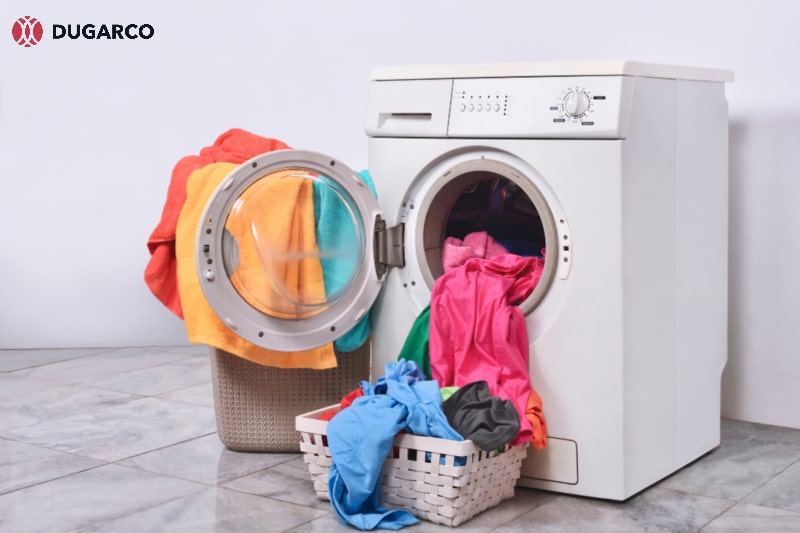
4.11. Maintenance: The “Wash and Wear” Factor
If you hate ironing, polyester is your best friend. You can pull it straight from the dryer and wear it. Cotton often requires a steam iron to look professional. However, polyester has an “oleophilic” nature—it loves oil. This means body oils and sweat-smells can “stick” to polyester, sometimes requiring specialized detergents to remove the “gym smell.”
4.12. Environmental Impact of Production
Cotton production uses 2.5% of the world’s cultivated land but accounts for 16% of all insecticides. Polyester production is energy-intensive and relies on the extraction of crude oil. When choosing between the two, consumers often have to weigh the high water/chemical usage of cotton against the carbon footprint and microplastic pollution of polyester.

4.13. Industrial Applications
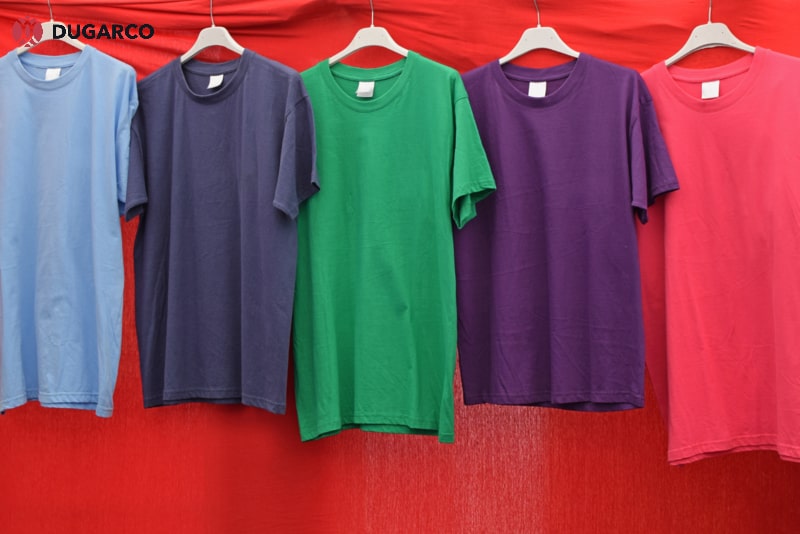
Cotton is the king of apparel (denim, t-shirts, underwear) and medical supplies (gauze, bandages). Polyester dominates industrial textiles (seatbelts, conveyors), outdoor gear (tents, backpacks), and home upholstery that needs to survive pets and children.
5. The Poly-Cotton Blend: The Best of Both Worlds?
Often, the answer to cotton vs polyester isn’t one or the other—it’s both. A 65/35 or 50/50 poly-cotton blend is designed to capture the benefits of each. You get the breathability and softness of cotton mixed with the durability and wrinkle-resistance of polyester. This is why most “everyday” button-down shirts and bed sheets use blends.
6. Which is better: cotton or polyester? A Quick Comparison Table
| Feature | Cotton | Polyester |
|---|---|---|
| Origin | Natural (Plant) | Synthetic (Petroleum) |
| Softness | Very Soft | Smooth to Scratchy |
| Durability | Medium | Very High |
| Wrinkling | High | Minimal |
| Moisture | Absorbs (Stays Wet) | Wicks (Dries Fast) |
7. Final Verdict: Which should you choose?
Polyester vs cotton which is better? The “best” material depends entirely on the scenario:
- Choose Cotton if: You have sensitive skin, you want maximum breathability for a casual summer day, or you prefer natural, biodegradable materials.
- Choose Polyester if: You are exercising, you need outdoor gear that can withstand the elements, or you want a low-maintenance wardrobe that doesn’t need ironing.
- Choose a Blend if: You want a “workhorse” fabric for daily wear, uniforms, or bed sheets that are comfortable yet durable.

The above article is information about the difference between cotton vs polyester that you can refer to. At Dugarco, we specialize in high-quality garment manufacturing using sustainable and performance-driven materials. If you have any questions or need a partner for your next textile project, don’t hesitate to contact Dugarco!

Dugarco under the talented leadership and guidance of Mr. Hoang Ve Dung has gradually become a large Vietnam clothing manufacturer, supplying clothes for many famous brands from many different countries such as the UK, USA, and Australia.