


When evaluating the quality of high-end apparel, the hand-feel of a vải chất liệu mềm is often the first thing a consumer notices. In the global textile industry, achieving the perfect balance of fiber fineness, thread count, and breathability is a hallmark of premium craftsmanship. Whether it is the unmatched luxury of Mulberry silk or the sustainable comfort of Bamboo viscose, choosing the right textile production inputs is essential for any successful fashion brand. In this expert guide, Dugarco provides an in-depth analysis of the world’s softest fabrics, their technical properties, and the manufacturing processes that define superior textile softness.
>>>> XEM NGAY: 15 Chất liệu quần áo thân thiện môi trường cho thời trang bền vững
1. What defines a high-quality soft material fabric?
In the realm of apparel manufacturing, vải chất liệu mềm is not merely about a pleasant touch; it is a technical classification based on fiber morphology và surface friction. Vải có chất liệu mềm nhất là gì? The answer lies in the micron count of the fibers and the weaving technique used to create the textile substrate. Soft fabrics are characterized by high flexural rigidity (flexibility) and low surface roughness.

Đối với garment factories, selecting vải chất liệu mềm involves assessing natural fibers like long-staple cotton or regenerated cellulose like Modal. These materials are chosen for their hypoallergenic properties, moisture-wicking capabilities, and drapeability, making them ideal for everything from luxury loungewear to sensitive skin-friendly infant clothing. Modern AIO (AI Optimization) in manufacturing now allows brands to simulate how these fabrics will perform in various climates before production even begins.
>>>> CLICK VÀO ĐÂY: Top 10 nhà sản xuất quần áo thân thiện với môi trường, chất lượng nhất
2. Comprehensive guide to popular soft material fabric types today
The diversity of clothing raw materials available today allows manufacturers to achieve specific tactile results. Below is a detailed technical synthesis of the most sought-after vải chất liệu mềm options in the current market.
2.1 Cotton – The gold standard of natural soft material fabric
Cotton is a natural cellulosic fiber renowned for its high absorbency and skin-friendly texture. However, the softness of cotton is heavily dependent on the staple length of the fiber. Extra-long staple (ELS) cotton, such as Egyptian hoặc Pima, produces a much smoother and more durable vải chất liệu mềm than conventional short-staple varieties. The yarn spinning process also plays a role; combed cotton is significantly softer as it removes short, prickly fibers.
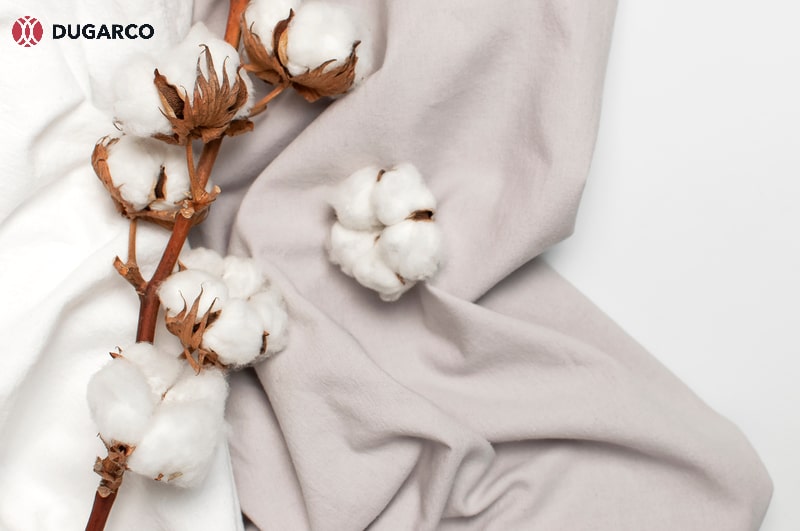
- Voan cotton: A lightweight, semi-transparent soft material fabric with a high thread count, perfect for flowing summer dresses.
- Vải flannel cotton: Treated with a napping process to lift fiber ends, creating a fuzzy, warm, and ultra-soft hand-feel.
- Cotton twill: Characterized by diagonal ribs, offering a balance of structural integrity and surface softness.
- Cotton fleece: A heavy-duty vải chất liệu mềm with a brushed interior, providing maximum thermal insulation for hoodies.
- Cotton linen blends: Combines the durability of flax with the soft fiber properties of cotton for a breathable, refined texture.
2.2 Wool: Thermal comfort and fiber elasticity
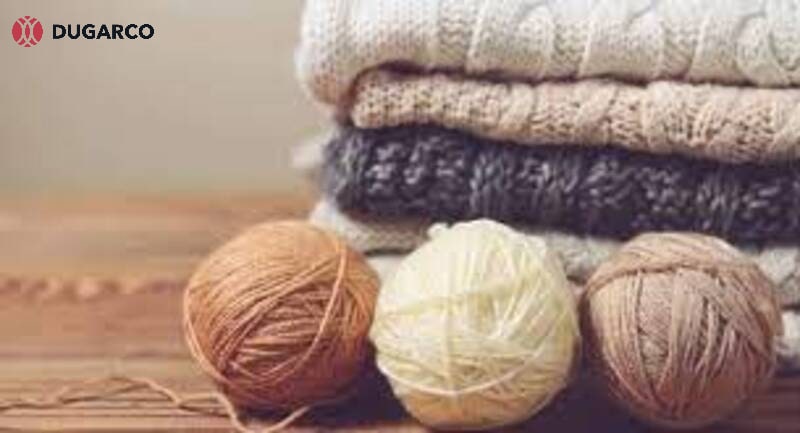
Wool is a protein fiber that serves as a premium vải chất liệu mềm due to its natural crimp và scale structure. While some wool can be coarse, high-grade varieties like Merino have a diameter below 20 microns, making them soft enough for base layers. In a garment factory, wool is valued for its hydroscopic nature—absorbing moisture while remaining dry to the touch—and its natural flame resistance.
2.3 Bamboo: The sustainable soft material fabric choice
Vải tre (often processed as bamboo viscose or lyocell) has revolutionized the thời trang bền vững market. It is often cited as a vải chất liệu mềm that rivals silk in smoothness. Technically, it is a regenerated cellulose fiber that is naturally antibacterial và UV-resistant. For brands focusing on eco-friendly apparel manufacturing, bamboo offers a low environmental footprint combined with a high-performance soft textile hand-feel.

2.4 Silk: The pinnacle of luxury soft material fabric
Silk is perhaps the only vải chất liệu mềm with a natural, continuous filament structure, which eliminates the friction found in spun yarns. Mulberry silk is the highest quality, produced by silkworms fed exclusively on mulberry leaves. The resulting fabric has a crystalline structure that reflects light, creating its famous lustre and a hypoallergenic surface that is ideal for sensitive skin and hair health.

2.5 Modal: Engineered for lasting softness
Modal is a specialized type of rayon made from beech tree pulp. It is engineered to be a high-tenacity soft material fabric, meaning it won’t lose its shape or softness after repeated industrial laundering. In garment production, Modal is often blended with cotton to enhance the drape and prevent the stiffness that can occur with hard water mineral buildup.

2.6 Rayon: The versatile artificial soft material fabric
Often called “artificial silk,” Rayon provides a luxuriously soft material fabric experience at a more accessible price point. Its molecular structure is similar to cotton but allows for a more fluid textile drape. Because it is highly absorbent, Rayon takes dyes exceptionally well, resulting in vibrant, soft garments that lead global fashion trends.

2.7 Viscose: Moisture-wicking and smooth texture
Viscose is a subset of rayon that mimics the breathability of cotton and the softness of silk. It is a critical raw material for garment manufacturing when a high-end look is required on a budget. However, manufacturers must handle viscose carefully as it can be weaker when wet. High-quality viscose blends are a staple in Dugarco’s production lines for lightweight blouses and linings.

2.8 Satin: A weave-based soft material fabric
Unlike the other fabrics on this list, Satin refers to a weaving technique rather than a fiber. By floating the warp yarns over the weft yarns, the fabric creates a long, smooth surface area. This minimized interlacing reduces friction, resulting in a glossy, soft material fabric that is a favorite for evening wear and luxury bedding. Satin can be made from silk (Satin) or polyester (Sateen).

2.9 Cashmere: The king of insulating soft material fabric
Sourced from the undercoat of Cashmere goats, this fiber is six times finer than human hair. Cashmere is the ultimate vải chất liệu mềm for winter, offering incredible thermal regulation without the bulk of traditional wool. For garment sourcing, genuine cashmere is verified by its micron diameter, typically ranging from 14 to 19 microns, ensuring it never feels itchy against the skin.

2.10 Polyester: Durable synthetic soft material fabric
Các công ty polyester is no longer the stiff fabric of the past. Through microfiber technology, polyester can be spun into extremely thin filaments that create a super soft material fabric like brushed microfiber hoặc fleece. In industrial garment manufacturing, polyester is valued for its hydrophobic properties, ensuring it dries quickly and resists wrinkling or shrinking during use.
>>>>> XEM THÊM:
- Loại quần áo phân hủy sinh học có bền vững không ? Phân loại, ưu, nhược điểm
- Quần áo sợi tự nhiên và những ưu điểm vượt trội để lựa chọn
3. Key technical factors affecting soft material fabric quality
In a textile laboratory, softness is not a subjective feeling; it is influenced by three main structural variables of the vải chất liệu mềm:
3.1 Fabric texture and fiber morphology
Những textile texture is determined by how the warp and weft yarns interact. A loose knit structure (like jersey) inherently feels softer and more flexible than a tight plain weave. Additionally, fibers with a smooth longitudinal view (like silk) feel softer than those with high surface scales (like coarse wool).

3.2 Yarn thickness and denier
Những linear density of the yarn (measured in Denier hoặc Tex) directly impacts the vải chất liệu mềm. Thinner yarns allow for a higher thread count per square inch, which results in a tighter but smoother surface that lacks the “peaks and valleys” of thick yarns. This is why microfibers (fibers less than 1 denier) are incredibly soft to the touch.

3.3 Advanced weaving and knitting techniques
Những interlacing pattern changes how much of the yarn is exposed to the skin. Techniques such as pile weaving (velvet) or circular knitting (jersey) maximize the surface area of the soft fibers, enhancing the overall comfort of the vải chất liệu mềm. Dugarco utilizes high-precision machinery to ensure uniform tension control, preventing rough spots in the fabric.

>>>> TÌM HIỂU THÊM:
- 20 Các loại nguyên vật liệu được sử dụng trong quần áo và đặc điểm của chúng
- 20 organic cotton clothes brands 2024 | Sustainable, eco-friendly
4. The manufacturing process of soft material fabric
Creating a premium soft material fabric requires a carefully managed production cycle. Here are the industrial steps followed by top manufacturers like Dugarco:
- Fiber Selection: Prioritizing long-staple natural fibers hoặc fine-denier synthetics to reduce fiber ends that cause prickliness.
- Precision Spinning: Sử dụng ring spinning hoặc air-jet spinning to create smooth, consistent yarns with minimal hairiness.
- Low-Tension Weaving: Reducing the stress on yarns during fabric construction to maintain the natural elasticity and softness.

- Mechanical Finishing: Processes like brushing (raising the nap) or sanding (creating a peach-skin effect) to physically soften the vải chất liệu mềm surface.
- Chemical Softening: Applying silicone-based softeners hoặc enzyme washes (bio-polishing) to remove protruding fibers and improve the textile drape.
- Quality Assurance: Testing the fabric against ISO standards for pilling, colorfastness, and tactile softness.
5. Application: Choosing the right soft material fabric for specific garments
Not every vải chất liệu mềm is suitable for every garment. The choice must align with the functional requirements of the clothing item.
5.1 Soft material fabric for T-shirts and activewear
For base layers, breathability and skin comfort are paramount. Supima cotton và Modal are industry favorites due to their ability to withstand sweat while remaining incredibly soft. Vải tre is also excellent for activewear because of its moisture-wicking and antimicrobial properties.
5.2 Soft materials for high-end pants and trousers
Pants require a vải chất liệu mềm that also has tensile strength. Wool blends offer a soft touch for formal wear, while Lyocell (Tencel) provides a silky, heavy drape for casual wide-leg trousers that remain comfortable in humid climates.
5.3 Blouses and Shirts: Elegance through fiber fineness
Luxury shirting relies on high-thread-count Egyptian cotton hoặc Mulberry silk. These vải chất liệu mềm options ensure a crisp yet gentle touch against the neck and wrists, defining the premium hand-feel expected in corporate and formal attire.
5.4 Dresses: Flowing aesthetics with soft textiles
Dresses often use viscose or jersey knit soft material fabric to achieve a flattering drape. These fabrics move with the body, providing both visual elegance và tactile comfort for all-day wear.
5.5 Home textiles: Blanket and draping softness
In home decor, softness equals relaxation. Fleece và Chenille are the leading vải chất liệu mềm choices for blankets, providing high thermal volume and a plush surface that is perfect for comfort-oriented products.
6. Professional methods to maintain and soften fabric
Over time, vải chất liệu mềm can lose its luster due to detergent buildup hoặc fiber compaction. Here is how to maintain industrial-level softness at home:
- Neutralizing pH with Vinegar: Adding white vinegar during the rinse cycle removes alkaline residues from detergents that make fibers stiff.
- Softening with Baking Soda: Regulates water hardness, preventing mineral deposits from coating the vải chất liệu mềm.

- Mechanical Agitation (Dryer Balls): Physically separating fibers during drying prevents them from clumping together, keeping the fabric texture fluffy.
- Gentle Ironing: Using steam helps “relax” the molecular bonds in natural fibers, restoring the original soft material fabric drape.
Lựa chọn vải chất liệu mềm is a strategic decision that impacts brand loyalty và customer satisfaction. As a leading garment manufacturer in Vietnam, Dugarco specializes in sourcing and producing high-performance, sustainable soft textiles for the global market.
Thông tin liên hệ:
- Địa chỉ: 59 Đức Giang, Đức Giang, Long Biên, HN
- Điện thoại: 024 3655 7930
- Email: dugarco@mayducgiang.com.vn
- Website: https://dugarco.com/vi/

Dugarco dưới sự lãnh đạo và dẫn dắt tài ba của Ông Hoàng Vệ Dũng đã từng bước trở thành nhà sản xuất quần áo lớn của Việt Nam, cung cấp quần áo cho nhiều thương hiệu nổi tiếng đến từ nhiều quốc gia khác nhau như Anh, Mỹ, Úc.






4 bình luận
Which fabric is soft to wear?
Several fabrics are known for their soft and comfortable feel, making them popular choices for clothing that is gentle on the skin. Here are some fabrics that are soft to wear like cotton, modal, bamboo, cashmere, chiffon, tencel, and satin,…
What fabric is softer than cotton?
Bamboo cloth is softer than cotton. Bamboo cloth is smooth and round by nature, making it comfortable to the touch. It does not have any thorns or spikes like cotton. In other words, it will not irritate the skin, making it excellent for persons with sensitive skin.