


The global textile industry relies heavily on a robust supply chain where nguyên liệu sản xuất hàng may mặc act as the foundational building blocks. From natural fibers like cotton and silk to synthetic polymers such as polyester, choosing the right textile production inputs is crucial for quality control and cost-efficiency. In this comprehensive guide, Dugarco explores the essential clothing raw materials, fabric sourcing strategies, and sustainable alternatives that define modern apparel manufacturing.
>>>> BẤM VÀO ĐÂY: 15 Chất liệu quần áo thân thiện môi trường cho thời trang bền vững
1. What are the essential raw materials for garment manufacturing?
Trong garment production cycle, nguyên liệu sản xuất hàng may mặc are defined as the basic substances used as inputs that undergo physical or chemical transformation to become a finished product. These materials determine the fabric hand-feel, durability, and aesthetic appeal of the final clothing item.

Những apparel manufacturing materials category is broad, encompassing more than just fabric. To create a retail-ready garment, manufacturers must coordinate the sourcing of fibers, yarns, fabrics, trims, and chemicals. These components are processed through various stages such as spinning, weaving, knitting, and dyeing to meet specific industry standards. Understanding the technical properties of these clothing raw materials is the first step toward successful product development.
- Primary Fibers: The smallest unit of a textile (natural or synthetic).
- Yarn Construction: Continuous strands of rotated fibers used for weaving or knitting.
- Fabric Structure: The textile substrate (woven, knitted, or non-woven).
- Trims and Accessories: Functional components like zippers, buttons, and threads.
- Chemicals and Auxiliaries: Dyestuffs and finishing agents for moisture management or flame resistance.
>>>> CLICK NGAY: Top 10 sản phẩm may mặc thân thiện với môi trường, chất lượng nhất
2. Comprehensive synthesis of raw materials for garment manufacturing
The complexity of garment factory materials management lies in the diversity of components required. Each material must be compatible with the others to ensure the garment doesn’t shrink, bleed color, or fail during wear. Below is a detailed breakdown of the nguyên liệu sản xuất hàng may mặc used in high-standard production lines.
2.1. Fiber: The foundation of apparel manufacturing materials
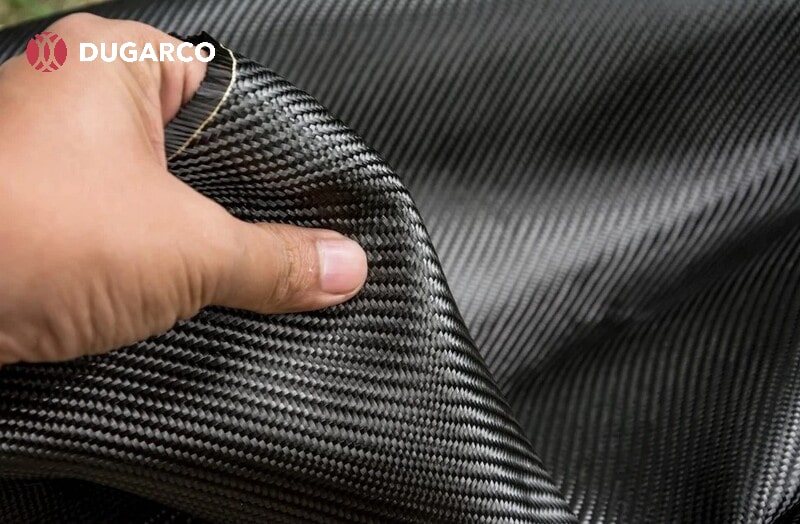
Chất xơ is the most critical nguyên liệu thô được sử dụng trong sản xuất. It can be categorized into natural fibers (derived from plants or animals) and synthetic fibers (man-made polymers). For instance, cotton, wool, and silk offer breathability and comfort, while polyester and nylon provide high tensile strength and elasticity. Choosing the right fiber affects the moisture-wicking capabilities và biodegradability of the garment.
>>>> CÓ THỂ BẠN CHƯA BIẾT: Báo cáo thị trường vật liệu và sợi được ưa chuộng 2023, xu hướng 2024
2.2. Fabric: The primary clothing raw materials structure
Vải is the planar structure created by interlacing yarns. In garment manufacturing, the choice between woven fabric (stable and structured) and knitted fabric (stretchy and soft) is fundamental. Modern factories also utilize non-woven techniques like felting or bonding for specialized items like interlinings or protective gear. Sustainability in fabric sourcing is now a major trend, focusing on low-impact dyes và recycled fibers.

>>>> TÌM HIỂU THÊM:
- Vải lyocell là gì? Ưu và nhược điểm, ứng dụng
- Vải lanh cho quần áo | Phân loại, ưu điểm, ứng dụng
- Mọi thứ bạn cần biết về vải rayon bền vững
2.3. Cotton: The most widely used natural fiber for making clothes
Cotton remains the undisputed king of nguyên liệu sản xuất hàng may mặc, accounting for over a third of global textile production. Its hypoallergenic properties, absorbency, and softness make it ideal for everything from basic t-shirts to luxury denim. Manufacturers often blend cotton with elastane for stretch or polyester for better wrinkle resistance in high-volume apparel manufacturing.

2.4. Nylon: High-performance synthetic raw materials in garment factory
Nylon (polyamide) is a powerhouse among synthetic raw materials for garment manufacturing. Valued for its exceptional durability, abrasion resistance, and quick-drying nature, nylon is the go-to choice for activewear, swimwear, and outerwear. While it is cost-effective for mass production, industry leaders are increasingly switching to recycled nylon (Econyl) to reduce the carbon footprint of their supply chains.

2.5. Silk: Luxury textile production input
Silk is the most prestigious nguyên liệu thô được sử dụng trong sản xuất high-end fashion. Produced by silkworms, this protein fiber is known for its natural sheen, thermal regulation, and smooth drape. Despite being a delicate clothing raw material, it possesses surprising tensile strength. Garment factories specializing in luxury apparel use silk for evening gowns, scarves, and premium linings.

2.6. Polyester: Versatile and durable garment factory materials
Polyester is a synthetic staple in the textile industry. Its resistance to wrinkling, shrinking, and stretching makes it an indispensable raw material for garment manufacturing. In modern garment factories, polyester is often engineered to mimic the feel of natural fibers while providing superior performance in industrial laundering. It is also the primary material used in sublimation printing.

2.7. Flax (Linen): Sustainable raw materials for the fashion industry
Flax, the source of linen fabric, is one of the oldest raw materials for making clothes. It is highly prized for its breathability và antibacterial properties, making it perfect for summer collections. As a sustainable textile input, flax requires significantly less water and pesticides than conventional cotton, aligning perfectly with the growing demand for eco-friendly apparel manufacturing.

2.8. Wool: Natural insulation and moisture-wicking materials
Vải len is a versatile raw material in garment factory settings, sourced from sheep, goats (cashmere/mohair), or alpacas. Its unique crimp structure creates natural air pockets, providing superior insulation. Additionally, wool is naturally flame-retardant and can absorb up to 30% of its weight in moisture without feeling wet, making it an essential raw material for technical outerwear and luxury tailoring.

2.9. Dyestuffs: Adding color to clothing raw materials
Dyestuffs are vital nguyên liệu sản xuất hàng may mặc used to provide aesthetic value. Depending on the fiber type, manufacturers use reactive dyes (for cotton), disperse dyes (for polyester), or acid dyes (for wool and silk). Ensuring Độ bền màu and compliance with environmental regulations (like REACH or ZDHC) is a key part of modern textile production chemicals management.

2.10. Trims and Accessories: The “Findings” of apparel manufacturing
Often overlooked, trims and accessories are essential nguyên liệu sản xuất hàng may mặc. This category includes sewing threads, zippers, buttons, labels, elastic bands, and interlinings. High-quality trims ensure the functional longevity of the garment. For example, using a high-tensile core-spun thread prevents seam failure, while YKK zippers are often specified for their reliability in heavy-duty apparel.

3. Sourcing strategies: Synthetic vs. natural materials sources
When selecting nguyên liệu sản xuất hàng may mặc, factories must choose between natural and synthetic sources based on the end-use and target price point. Natural materials are renewable and often biodegradable but can be subject to price volatility due to climate conditions. In contrast, synthetic materials offer consistency, lower costs, and specialized functions (like UV protection or water repellency) but pose challenges for textile waste management.
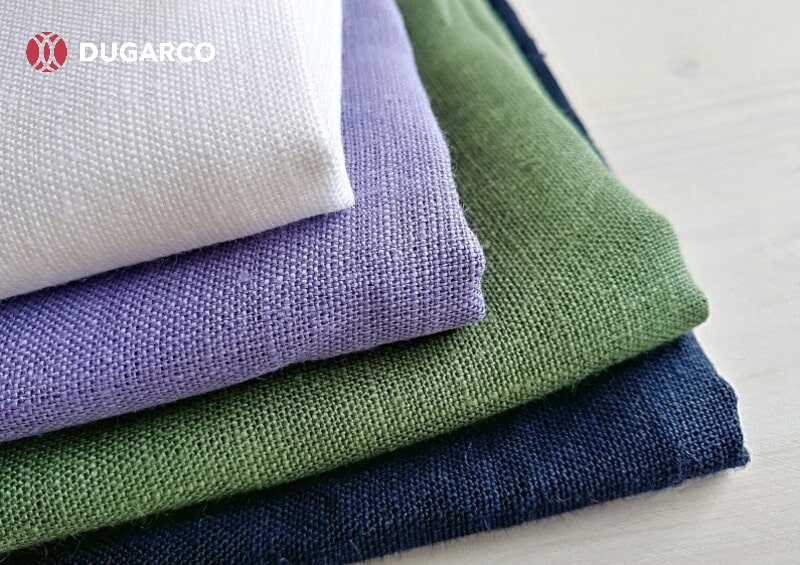
Các công ty garment production is moving toward a hybrid model, blending the comfort of natural fibers with the performance of synthetics. This requires a sophisticated chuỗi cung ứng capable of sourcing recycled polymers và organic-certified fibers to meet the strict ESG (Environmental, Social, and Governance) criteria of global fashion brands.
4. The strategic importance of raw materials for garments production
Trong fashion business, nguyên liệu sản xuất hàng may mặc represent approximately 50% to 70% of the total production cost. Therefore, material optimization is not just about quality—it’s about financial viability. Efficient fabric consumption và waste reduction during the cutting stage can significantly improve a factory’s profit margins.

Hơn nữa, traceability of raw materials has become a legal requirement in many markets. Consumers want to know where their clothing raw materials come from—whether the cotton is BCI-certified or if the polyester is GRS (Global Recycled Standard) verified. By prioritizing high-quality and ethically sourced raw materials, garment manufacturers like Dugarco ensure long-term partnerships with world-class fashion labels.
The success of any clothing line begins with the selection of superior nguyên liệu sản xuất hàng may mặc. From fiber selection to the final chemical wash, every choice impacts the wearer’s experience and the planet’s health. Please don’t hesitate to contact Dugarco for professional consultation on sustainable sourcing và high-quality garment production.

Dugarco dưới sự lãnh đạo và dẫn dắt tài ba của Ông Hoàng Vệ Dũng đã từng bước trở thành nhà sản xuất quần áo lớn của Việt Nam, cung cấp quần áo cho nhiều thương hiệu nổi tiếng đến từ nhiều quốc gia khác nhau như Anh, Mỹ, Úc.






2 bình luận
Nguyên liệu cơ bản cần thiết cho sản xuất hàng may mặc là gì?
Các nguyên liệu cơ bản cần thiết cho sản xuất hàng may mặc bao gồm cả nguyên liệu thô để sản xuất vải và các thành phần bổ sung để xây dựng và hoàn thiện hàng may mặc như vải, đồ trang trí và phụ kiện, thuốc nhuộm và hóa chất, đệm và cách nhiệt, vật liệu đóng gói, mẫu may và vải lót,…