For fashion startups, production is a crucial decision. Even the best designs fail without proper manufacturing, timely delivery, and cost control. Vietnam has become a top destination for clothing production due to its skilled workforce, competitive costs, and strong textile infrastructure. This guide explains practical steps to help startups successfully work with Vietnamese clothing factories, from first contact to long-term partnership.
Why Vietnam Is a Smart Choice for Clothing Manufacturing
Vietnam has become a global manufacturing hub, especially in textiles and garments. Major international brands have shifted production there because of three key advantages:
- Experienced garment workers with high technical skills
- Competitive labor and production costs compared to China
- Strong supply chain for fabrics, trims, and accessories
For startups, this means access to professional manufacturing without the extreme minimum order quantities often required in other countries.

Step 1: Understand the Types of Vietnamese Clothing Factories
Before choosing a factory, startups need to understand the production models available in Vietnam.
CMT (Cut – Make – Trim)
You provide all materials and designs. The factory only cuts and sews.
OEM (Original Equipment Manufacturing)
The factory helps manufacture based on your design and may assist with material sourcing.
ODM (Sản xuất theo thiết kế gốc)
The factory offers design support and handles both development and production.
For most startups, OEM or ODM is the best option because it reduces complexity and saves time.
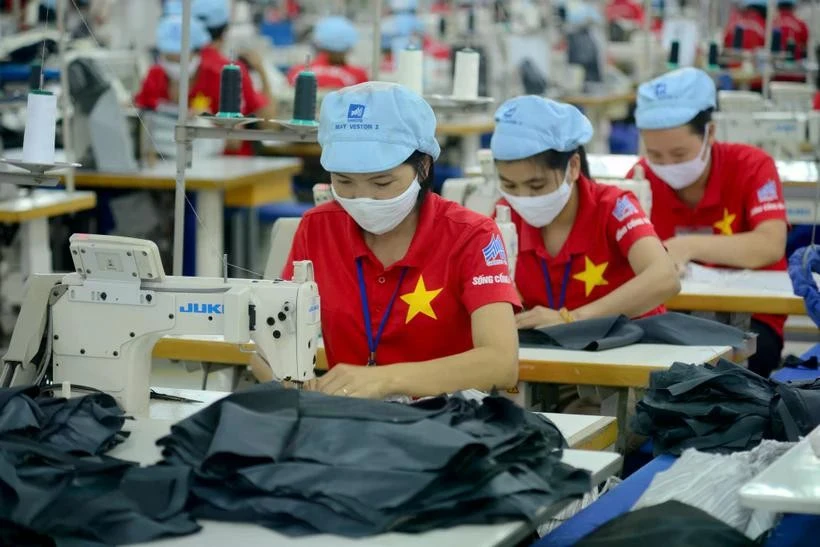
Step 2: Prepare Professional Tech Packs and Clear Documentation
Factories in Vietnam work best with clear, structured information. Startups often make the mistake of sending only sketches or mood boards. This leads to misunderstandings, delays, and extra costs.
You should prepare:
- Detailed tech pack with measurements and construction details
- Fabric type and weight specifications
- Color codes and Pantone references
- Stitching, seam type, and finishing instructions
- Label and packaging requirements
The clearer your documentation, the more accurate your factory’s quotation and samples will be.

Step 3: How to Find Reliable Vietnamese Clothing Factories
Startups can find factories through multiple channels:
- B2B platforms such as Alibaba and Global Sources
- International trade fairs like Vietnam Textile & Garment Expo
- Google search with targeted keywords
- Vietnamese sourcing agents and consultants
When evaluating a factory, request:
- Business licenses
- Factory photos and videos
- Sample portfolio
- Customer references
Avoid choosing only based on the lowest price. Quality and communication are more important for long-term success.

Step 4: Negotiating MOQ (Minimum Order Quantity) as a Startup
Most Vietnamese factories prefer large orders, but many are open to working with startups.
Typical MOQs in Vietnam:
- Small factories: 100–300 pieces per style
- Medium factories: 500–1,000 pieces per style
- Large factories: 2,000+ pieces per style
If your quantities are small, negotiate:
- Higher unit price in exchange for lower MOQ
- Fewer sizes or colors for your first production
- Trial production runs before scaling
Vietnamese factories are generally flexible if they see long-term potential in your brand.

Step 5: The Sampling Process Explained
Sampling is one of the most important phases. It helps you confirm fit, quality, and production feasibility.
The typical sample workflow:
- Submit your tech pack
- Factory creates a prototype sample
- You review and provide feedback
- Factory produces a revised sample
- Final approval is signed before mass production
Startups should never skip the sampling stage, even if the factory tries to rush it.
Step 6: How Pricing Works and What to Expect
Pricing from a Vietnamese clothing factory depends on:
- Fabric type and source
- Complexity of design
- Order quantity
- Quality standards and finishing
Common payment terms:
- 30% deposit before production
- 70% balance before shipment
Some factories offer trade assurance or escrow services through B2B platforms, which can reduce risk for new brands.
Step 7: Managing Quality Control as a Startup
Quality control is where many startups fail. They trust blindly and only check products when they arrive.
Smart quality control includes:
- Requesting pre-production samples
- Asking for production photos and videos
- Hiring third-party inspection companies
- Conducting random quality checks before shipping
This step protects your brand reputation and avoids costly rework.
Step 8: Shipping and Logistics From Vietnam
Once production is finished, you must choose your shipping method:
Sea freight
Cheapest option, suitable for large volumes.
Air freight
Fastest but more expensive.
You should also clarify who handles:
- Export documents
- Commercial invoices
- Packing lists
- Customs clearance
Some factories can manage end-to-end shipping for an additional cost.
Step 9: Common Mistakes Startups Should Avoid
Many startups struggle in their first production because of avoidable mistakes:
- Sending vague instructions instead of clear tech packs
- Rushing into bulk production without approved samples
- Choosing factories based only on price
- Skipping inspections to save money
Avoiding these mistakes can save months of delays and thousands of dollars.
Step 10: How to Build a Long-Term Relationship With a Vietnamese Factory
The most successful startups treat their factory as a partner, not just a supplier.
To build strong relationships:
- Communicate clearly and professionally
- Respect production timelines
- Pay on time
- Share growth plans
Vietnamese factories value long-term collaboration and are more flexible with brands that show consistency and professionalism.
Working with a Vietnamese clothing factory can be a powerful advantage for startups. Vietnam offers skilled craftsmanship, affordable production, and a mature textile ecosystem that supports both small and growing brands.
The key to success is preparation: clear documents, strong communication, careful sampling, and professional quality control.
If you treat your manufacturer as a business partner rather than just a supplier, your startup can scale faster, reduce risks, and build a reliable production system from day one.