What Occurs in Contract Manufacturing? is a question that many businesses and entrepreneurs ask when exploring how to produce their products efficiently and cost-effectively. Contract manufacturing involves outsourcing the production process to third-party specialists who handle everything from design to manufacturing, helping brands scale rapidly without the need for significant internal infrastructure. This article delves into the core activities, processes, and key aspects of what happens during contract manufacturing, offering a clear understanding of this essential business practice.
>>>> EXPLORE: Quy trình sản xuất quần áo – A Step-By-Step Guide
Introduction to Contract Manufacturing
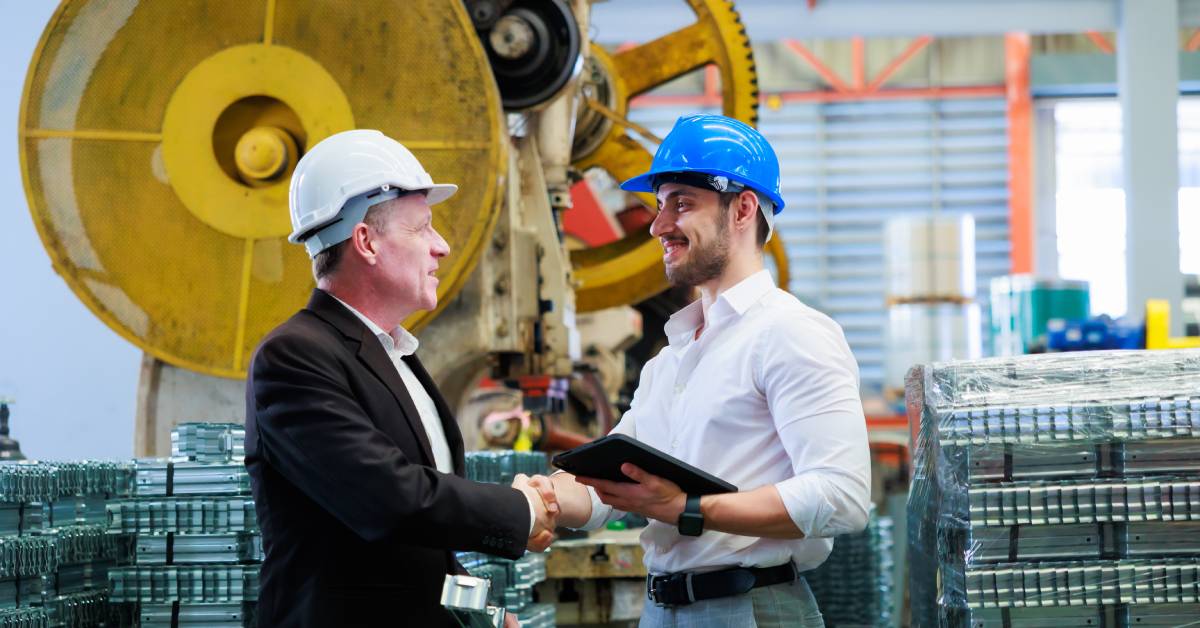
Contract manufacturing is a strategic approach where a company contracts an external manufacturing firm to produce goods on its behalf. This partnership allows the brand to focus on core activities like marketing, sales, and product innovation while leveraging the expertise, facilities, and economies of scale of specialized manufacturers. The question of “What occurs in contract manufacturing?” covers a broad spectrum of operations, from initial development and product design to mass production and quality control, all conducted in a collaborative and often highly regulated environment.
>>>> LEARN MORE: The Top 15 Vietnam Clothing Manufacturers 2026
What Happens During Contract Manufacturing?
To fully grasp what occurs in contract manufacturing, it’s essential to understand the step-by-step processes involved. These stages illustrate how a product transforms from an idea into a tangible item ready for distribution.
1. Product Development & Design
In the first phase, the contracting company provides initial product ideas, specifications, or prototypes. The manufacturer collaborates with the client to refine design parameters, select materials, and develop detailed product drawings. This step may also involve prototyping, where a small batch of products is produced to test design, function, and aesthetics.
2. Material Sourcing & Procurement
Once the design is finalized, the contract manufacturer sources raw materials needed for production. This includes negotiating with suppliers for quality, cost, and lead times. Good procurement practices are vital to ensure materials meet specifications and delivery schedules.
3. Manufacturing Planning & Setup
Next, the manufacturer develops a production plan that considers capacity, equipment, labor requirements, and timelines. They prepare the production line, set up machinery, and conduct trial runs to ensure everything functions smoothly, adhering to safety and quality standards.
4. Production & Assembly
What occurs in contract manufacturing at this stage is actual product creation. The manufacturer produces the goods according to agreed-upon specifications, performing tasks such as assembly, packaging, and labeling. During this process, quality control measures are implemented to monitor consistency and defect rates.
5. Quality Control & Testing
Quality assurance is integral to contract manufacturing. Products are inspected and tested at various stages to ensure they meet client standards and regulatory requirements. This may involve checking for dimensional accuracy, functionality, safety compliance, and durability.
6. Packaging & Logistics
Once products pass quality checks, they are packaged ready for distribution. Packaging might include branding, instructions, and protective materials. The contract manufacturer often handles logistics, coordinating shipping and delivery to the client’s warehouses or distribution centers.
7. Post-Production Support
The process does not end with manufacturing. Many manufacturers offer ongoing support such as product inspections, returns management, or modifications based on customer feedback. This continuous engagement helps optimize future production runs.
Key Aspects and Considerations in Contract Manufacturing
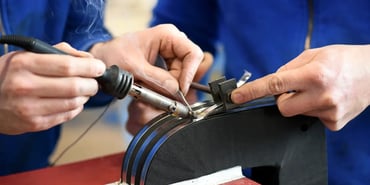
Understanding what occurs in contract manufacturing encompasses recognizing its critical elements, which influence quality, cost, and efficiency.
Quality Control and Compliance
Maintaining high quality standards is fundamental. Manufacturers implement rigorous testing protocols, certifications, and compliance checks (e.g., ISO standards, industry-specific regulations) to minimize defects and legal issues.
Intellectual Property Protection
Clients often worry about protecting their designs and proprietary information. Reputable contract manufacturers employ confidentiality agreements and secure facilities to safeguard intellectual property.
Cost Management and Pricing
Outsourcing manufacturing can significantly reduce costs, but it requires strategic negotiations and transparent costing. Price charges typically cover materials, labor, overhead, and profit margins.
Lead Time and Delivery
Timely delivery depends on effective planning, raw material availability, and logistics management. Delays can occur due to unforeseen circumstances such as supply chain disruptions or quality issues.
Communication and Collaboration
Ongoing dialogue between the client and manufacturer ensures alignment on milestones, specifications, and adjustments. Clear communication strategies foster smooth operations.
Popular Contract Manufacturing Regions and Companies
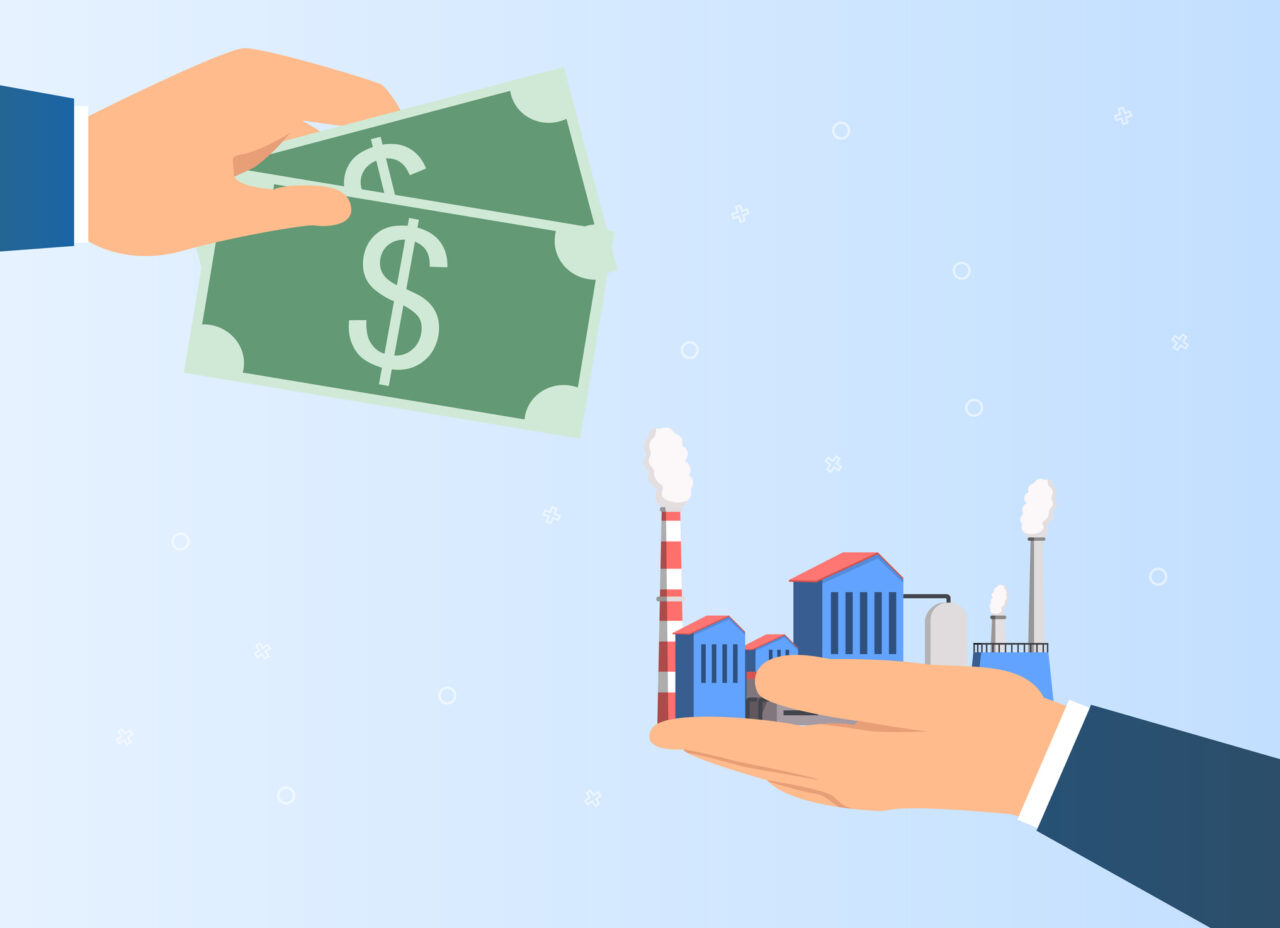
Depending on the product category, different regions are known for specialized contract manufacturing services. Here are notable options:
1. China
- Ưu điểm: Large manufacturing capacity, competitive pricing, extensive supplier networks.
- Best For: Electronics, apparel, consumer goods.
- Reviews & Ratings: High ratings for cost-efficiency; some concerns over IP security.
2. India
- Ưu điểm: Cost-effective labor, growing infrastructure, expertise in pharmaceuticals, textiles.
- Best For: Medical devices, apparel, chemical products.
- Reviews & Ratings: Positive feedback on quality and price; occasional logistical challenges.
3. Vietnam
- Ưu điểm: Skilled labor, lower costs than China, strategic location for exports.
- Best For: Electronics, furniture, footwear.
- Reviews & Ratings: Good reputation for quality and reliability.
4. Mexico
- Ưu điểm: Proximity to North America, reduced shipping times, favorable trade agreements.
- Best For: Automotive parts, electronics, food products.
- Reviews & Ratings: High satisfaction for timely delivery and quality.
5. United States and Europe
- Ưu điểm: High-quality standards, strict regulations, innovation focus.
- Best For: High-end electronics, medical devices, aerospace components.
- Reviews & Ratings: Excellent quality, though generally at higher costs.
How to Choose the Right Contract Manufacturer?

Selecting the ideal contract manufacturing partner is vital for success. Here are step-by-step guidelines:
- Assess Capabilities: Ensure they have experience in your product category and sufficient capacity.
- Evaluate Quality Systems: Confirm adherence to relevant standards and certifications.
- Check References & Reputation: Seek feedback from previous clients.
- Review Costs & Payment Terms: Compare pricing and ensure transparency.
- Visit Facilities: Conduct on-site inspections if possible.
- Review Communication: Ensure clear channels and responsiveness.
- Understand Lead Times: Confirm they can meet your production schedules.
- Protect IP: Establish confidentiality agreements and legal protections.
Conclusion
What occurs in contract manufacturing encompasses a comprehensive series of activities ranging from product design and material sourcing to mass production and quality assurance. This operational process enables brands to leverage external expertise, reduce costs, enhance product quality, and accelerate time-to-market. Successful contract manufacturing hinges on clear communication, stringent quality controls, and selecting the right partner based on capability, reputation, and compliance standards. Understanding these core processes provides companies with the confidence and clarity needed to navigate outsourcing effectively, ensuring their products meet market expectations and regulatory requirements.

Dugarco dưới sự lãnh đạo và dẫn dắt tài ba của Ông Hoàng Vệ Dũng đã từng bước trở thành nhà sản xuất quần áo lớn của Việt Nam, cung cấp quần áo cho nhiều thương hiệu nổi tiếng đến từ nhiều quốc gia khác nhau như Anh, Mỹ, Úc.